Posted on

Web Design Barnet

Barnet Web Design

Web Design Barnet

Barnet Web Design

Barnet Web Design: Your Partner for Digital Success in North West London

At Metropolis Web Design, we’re passionate about helping small and medium-sized businesses in Barnet, North West London, bring their online vision to life. We may not be down the road, but we’re fully committed to being your friendly, reliable digital agency, delivering tailored solutions that meet the unique needs of Barnet’s business community. Our goal? To create standout websites that fit your budget and drive real results in today’s fast-paced digital world.

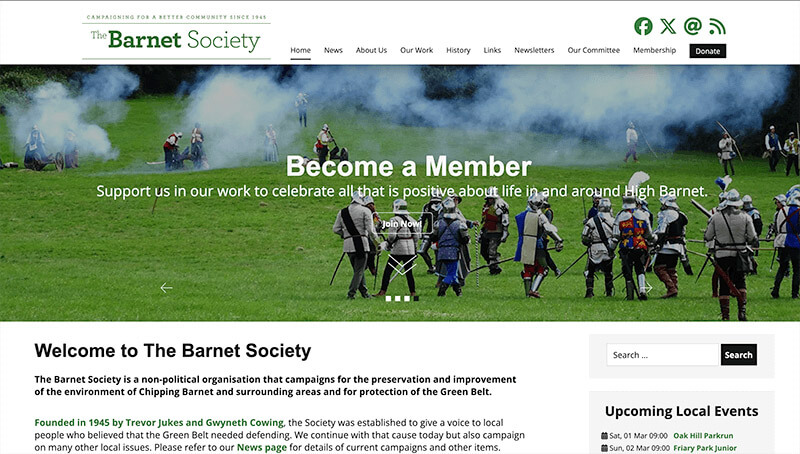
Check out The Barnet Society’s website here.

Simplify Your Website with Intuitive Tools

We love putting you in control. That’s why we build websites using user-friendly platforms like WordPress. No tech skills? No problem. With WordPress, you can easily update text, swap images, or refresh your design whenever you like. We take care of the tricky stuff behind the scenes, so you can keep your focus on growing your business while your site stays fresh and engaging for Barnet customers.

Affordable, Impactful Websites for Barnet Businesses

Every business in Barnet deserves a website that delivers—without the hefty price tag. At Metropolis Web Design, we specialise in crafting cost-effective websites that make an impression. From striking visuals to smooth functionality, we work with you to create a digital presence that captures attention and turns Barnet visitors into loyal customers. Quality doesn’t have to break the bank, and we’re here to prove it.

Why Choose Us for Your Barnet Web Design?

  • Tuned into Barnet: We understand North West London’s market and what makes Barnet businesses tick, so we design with your local audience in mind.
  • Friendly, Expert Support: Distance doesn’t dim our dedication. We offer warm, professional guidance to ensure your project runs smoothly from start to finish.
  • Budget-Friendly Solutions: We keep costs down with flexible pricing, giving Barnet businesses access to top-tier websites without the stress.
  • Proven Impact: Our track record speaks for itself—more clicks, more leads, and more growth for businesses like yours.

Ready to connect with Barnet customers online? Contact Metropolis Web Design today and let’s build a website that puts your business on the map in North West London!
Posted on

The Web Design Journey – from Conception through to Release…

The Web Design Journey – from Conception through to Release…

Building a successful website is a multi-step process that requires careful planning, creative vision, and technical expertise. From the initial concept to the moment it goes live, each stage plays a crucial role in shaping the final product. Understanding the client’s needs, crafting an intuitive design, and implementing robust functionality are just a few of the essential elements involved. Beyond launch, ongoing maintenance, security, and performance optimization ensure that the website remains effective and relevant. This guide walks through the entire journey, highlighting the key steps that transform an idea into a fully functional digital presence.

Metropolis Web Design

1. Requirements Gathering: Laying the Foundation
The first step in any web development project is to thoroughly understand the client’s needs, target audience, and overarching project goals. This phase involves:

Client Meetings: Discussing what the client envisions for their website, including the purpose, desired outcomes, and any specific features or functionalities they require.
Audience Analysis: Identifying who will use the site, their preferences, behaviors, and how they will interact with it.

Expectation Setting: Clarifying what can realistically be achieved within the given constraints of time, budget, and technology.

  1. Conceptualisation, Wireframing, and Content Writing: Sketching the Blueprint Once the requirements are clear, we transition into designing the site’s structure and content:

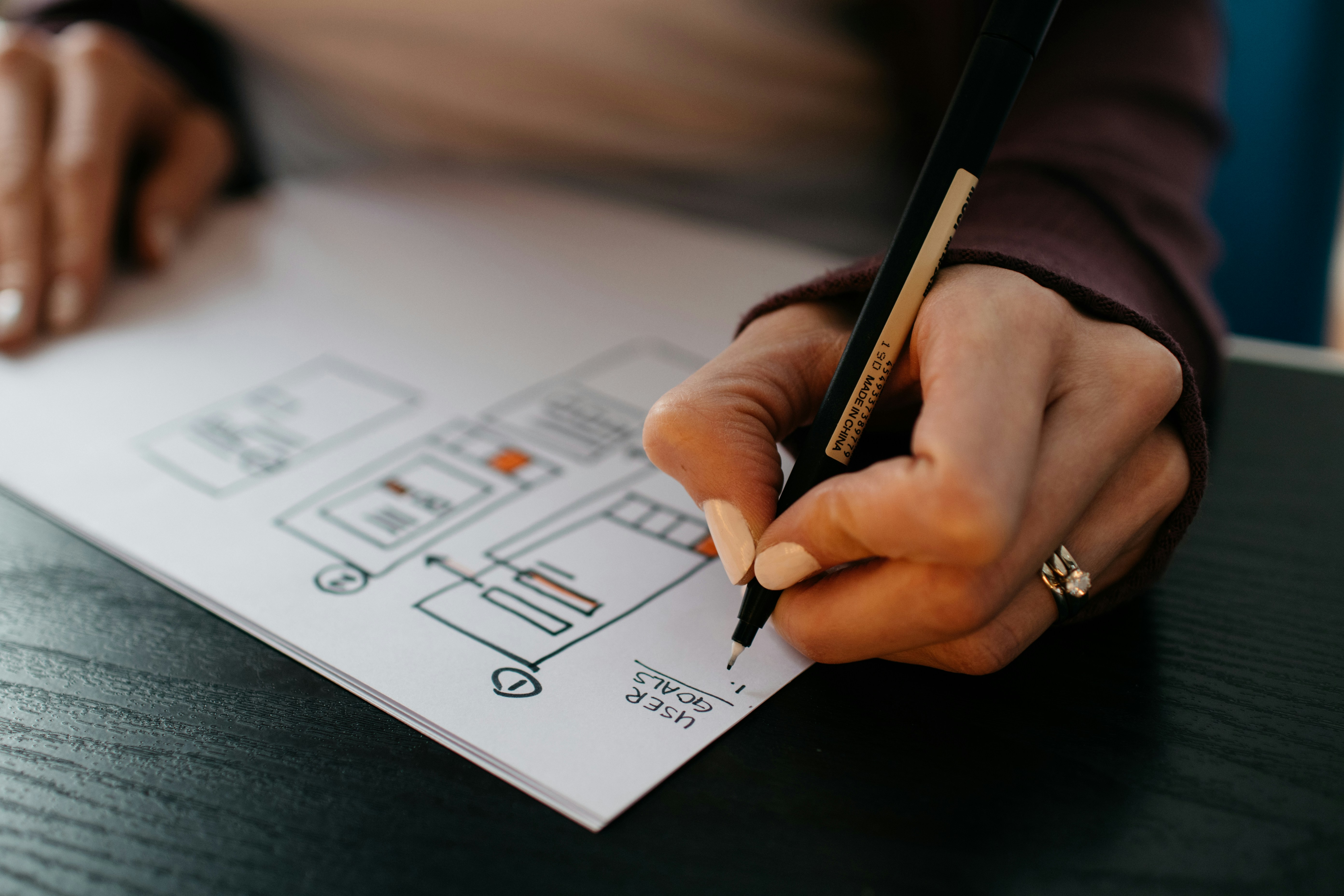
Wireframing: Creating low-fidelity sketches or digital wireframes that outline the basic layout, navigation, and placement of elements. This step is crucial for visualising the user flow and site architecture. Content Strategy: Deciding what content will drive the site, including text, images, videos, or interactive elements. This involves: Textual Content: Crafting compelling copy that informs, engages, and converts. Visual Content: Selecting or creating images that align with the brand’s aesthetic and message.

  1. Design: Crafting the Visual Experience Design splits into two critical components:

UI Design (User Interface): This is where we get creative with: Visual Elements: Designing logos, choosing color palettes, typography, and other graphics to make the site visually appealing and consistent with the brand identity. UX Design (User Experience): Here, we focus on: User Interaction: Ensuring the site is intuitive, easy to navigate, and meets user needs. Usability: Designing for accessibility, ease of use, and overall satisfaction.

  1. Front-end Development: Bringing the Design to Life This stage involves coding the visual design into a functional website:

HTML: Structures the content of each page. CSS: Styles the HTML for aesthetics, defining how each element should look. JavaScript: Adds interactivity, animations, and dynamic content loading, enhancing user engagement.

  1. Back-end Development: The Engine Behind the Scenes Parallel to front-end work, we handle the server-side:

Server and Database Setup: Configuring the environment where your site will live. CMS Implementation: Often using platforms like WordPress for content management. Custom Coding: Writing server-side scripts for functionality like user authentication, data management, or e-commerce systems.

  1. API Development: Enabling Communication If an API (Application Programming Interface – think of it as a messenger between different software applications) doesn’t exist for your needs:

Custom API Development: We design and code APIs to allow your site to interact with other services, perhaps for payment processing, social media integration, or real-time data updates.

  1. Testing: Ensuring Quality Before going live, we rigorously test:

Functionality Testing: Checking if all features work as intended. Usability Testing: Gathering feedback on user experience to refine interactions. Compatibility Testing: Verifying the site’s performance across browsers and devices, considering responsive design for different screen sizes.

  1. Deployment: Going Live Once everything is tested and polished:

Deployment: Transferring all files from the development server to the live server, ensuring everything is properly linked and configured.

  1. Performance Optimisation: Speed and SEO After deployment, we focus on:

Speed Optimisation: Reducing load times through techniques like image compression, minification of code, and leveraging browser caching. SEO: Enhancing search engine visibility by optimising meta tags, content structure, and implementing SEO best practices.

  1. Maintenance & Updates: Keeping It Fresh A site isn’t static; it requires:

Regular Updates: For security patches, new features, or content updates. Functional Enhancements: Based on user feedback or changing business needs.

  1. Monitoring & Analytics: Tracking Success With tools like Google Analytics, we:

Analyse Performance: Understand user behavior, track conversions, and gauge site performance. Make Informed Decisions: Use data to drive continuous improvement.

  1. Security: Safeguarding Your Digital Presence Lastly, protecting your site:

Security Measures: Implementing SSL certificates, regular security audits, and keeping software up-to-date to fend off potential cyber threats.

This journey from conception to a fully operational website involves meticulous planning, creative design, technical expertise, and ongoing care. Each step builds upon the last, ensuring that the end product not only meets but exceeds expectations, providing a platform that serves both the business and its users effectively.